

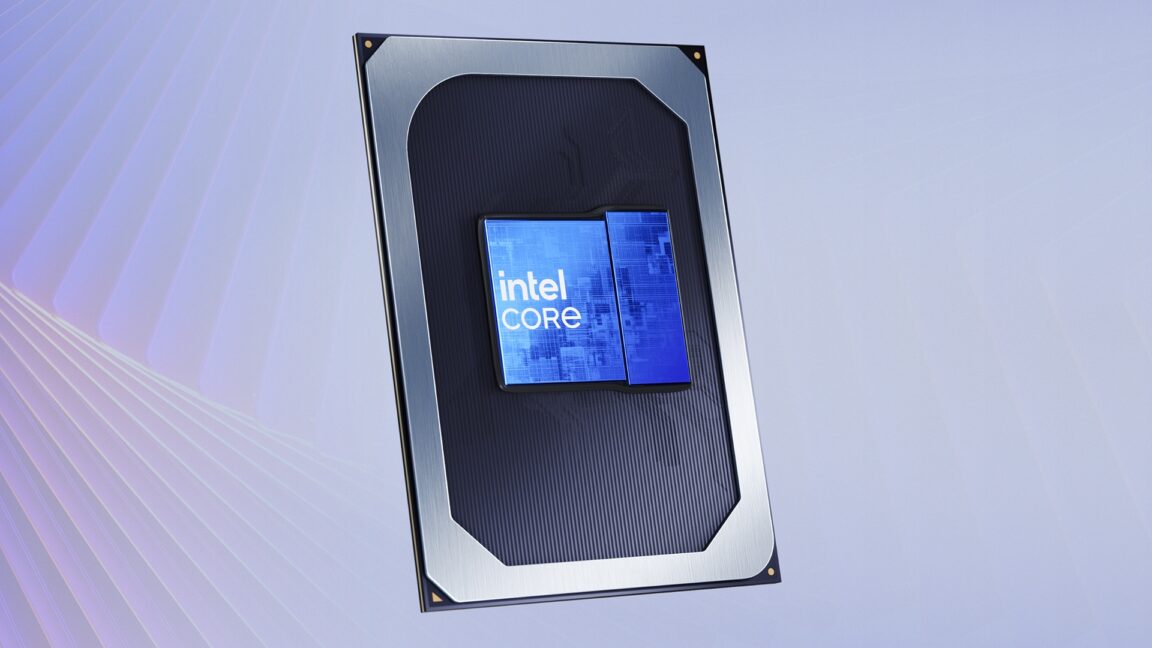
Intel has officially refreshed its non-Ultra Core CPU lineup by introducing new silicon for the first time in years. The new processors, known as Core Series 3, mark a departure from the previous Raptor Lake architecture that characterized Intel’s earlier offerings.
For some time, Intel's Core Ultra laptop CPUs have taken center stage as the flagship products, transitioning from the conventional i3/i5/i7/i9 branding to the newer Core Ultra Series. The Series 1, Series 2, and Series 3 processors have showcased innovative CPU and GPU designs paired with cutting-edge manufacturing technologies.
However, the non-Ultra Core CPUs had been less captivating, primarily because the Series 1 and Series 2 chips were based on the older Raptor Lake architecture, which was essentially a reiteration of the silicon used in the previous 12th-generation Core CPUs. This situation led to a stagnation in innovation.
Now, with the introduction of the Core Series 3 processors, Intel is bringing fresh silicon to the table. Codenamed “Wildcat Lake,” these new chips signify a return to a more diverse range of offerings, where high-end and midrange chips share many of the same advancements despite their performance variations.
While Wildcat Lake does share some features with Panther Lake, the architecture underlying the Core Ultra Series 3, it is designed to be simpler and slower. The new processors consist of two silicon tiles: a compute tile that houses a CPU featuring up to two Cougar Cove P-cores and four Darkmont E-cores, along with an integrated GPU that can include one or two of Intel’s latest Xe3 GPU cores. Additionally, these chips typically incorporate a neural processing unit (NPU) capable of executing up to 17 trillion operations per second (TOPS). A separate platform controller tile, built using a non-Intel manufacturing process, provides essential connectivity features such as two Thunderbolt 4 ports, Wi-Fi 7, Bluetooth 6.0, and six PCIe 4.0 lanes.
The Core Series 3 CPUs support a maximum of 48GB of LPDDR5X-7467 memory or up to 64GB of DDR5-6400. They operate at a base power level of 15 watts, with a maximum boost power level of 35 watts. Despite these specifications, the performance of the Core Series 3 lineup is not expected to be cutting-edge.
Intel acknowledges that while these new chips won't break performance records, they benefit from the same Intel 18A manufacturing process as their Panther Lake counterparts. This manufacturing process, combined with their relatively modest performance specifications, is expected to lead to significant improvements in battery life compared to previous generations, such as the 12th and 13th-generation Core processors. Intel claims that devices featuring these new processors can achieve up to 12.5 hours of office productivity, 18 hours of 1080p Netflix streaming, and 9.6 hours of video conferencing on systems equipped with a 59 WHr battery.
However, there is a notable limitation: the built-in NPU of the Core Series 3 processors does not meet the 40 TOPS threshold required for devices to receive the Copilot+ PC label from Microsoft. This label is associated with exclusive on-device AI and machine learning features. Some of these features, such as Windows Recall, come with potential privacy risks, while others, like webcam Studio Effects, may duplicate functionalities already present in many videoconferencing applications.
Despite this, Intel is optimistic about the launch of the Core Series 3 chips, stating that they will start appearing in devices today, with over 70 designs from leading manufacturers expected to roll out in the coming months. This launch represents a significant step forward in Intel's efforts to diversify its CPU offerings and cater to a broader range of consumer needs in the ever-evolving tech landscape.
Source: Ars Technica News